Our mission is to serve the human needs of individuals and families.

Providing help, hope and healing.
Across our four-county region of Armstrong, Fayette, Indiana, and Westmoreland, Catholic Charities is committed to helping people achieve self-sufficiency with compassion and concern. We offer a range of services, including food and utilities assistance, baby supplies, and mental health counseling to help meet the needs of our community.
Melaney Hegyes,
Managing Director
Celebrating 70 Years Of Service
HOW WE HELP
Support Ukrainian Newcomers

Counseling

Material Assistance

Poverty Relief Grant

Project Rachel

Substance Use Disorder Help


DONATE
By supporting Catholic Charities, you will help sustain our mission to meet the human needs of those who reside in the Diocese of Greensburg, regardless of their religious affiliation, and to continue our endeavors in providing leadership by building collaborative efforts with parishes and communities in addressing these needs.

At some point in life, almost everyone believes that they need to “talk to somebody”
We provide marital, relationship, individual and family counseling, as well as anger management support groups and mediation counseling. In addition, Catholic Charities also provides therapists certified by the National Gambling Counselors Certification Board to provide counseling for individuals and families that deal with the effects of gambling addiction.

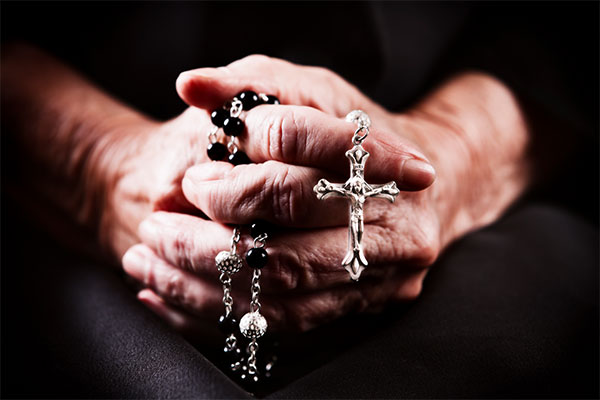
THE ROSARY FOR LIFE
During the week of January 16-20, the Rosary for Life aired every day at 2:00 p.m. as we approached the 50th Annual March for Life on Friday, January 20, 2023. The theme was: Next Steps, Marching in Post-Roe America. Thank you to everyone who prayed the Rosary with us, and also for all of the faithful who attended the March for Life and celebrated Mass with The Most Reverend Bishop Larry J. Kulick, on Friday, January 20th!